
Netty 核心线程模型源码要点
Netty 系列 · 第 7/8 篇
上一篇:《Netty 实战——手写通信框架》 · 下一篇:《Netty 高并发架构设计精髓》
开头:读 Netty 源码,先抓「线程模型」这条主线
API 会用不等于懂 Netty。线上排查「业务 Handler 阻塞导致全网卡顿」「boss 线程能不能做业务」时,需要清楚 EventLoop 与 Channel 的绑定关系、主从 Reactor 在源码里的落点。本篇专注线程模型与源码阅读路径;零拷贝、ByteBuf 池等性能细节见下一篇。
一、读源码的方法
- 先使用:官方文档 + Demo 跑通 Echo/HTTP
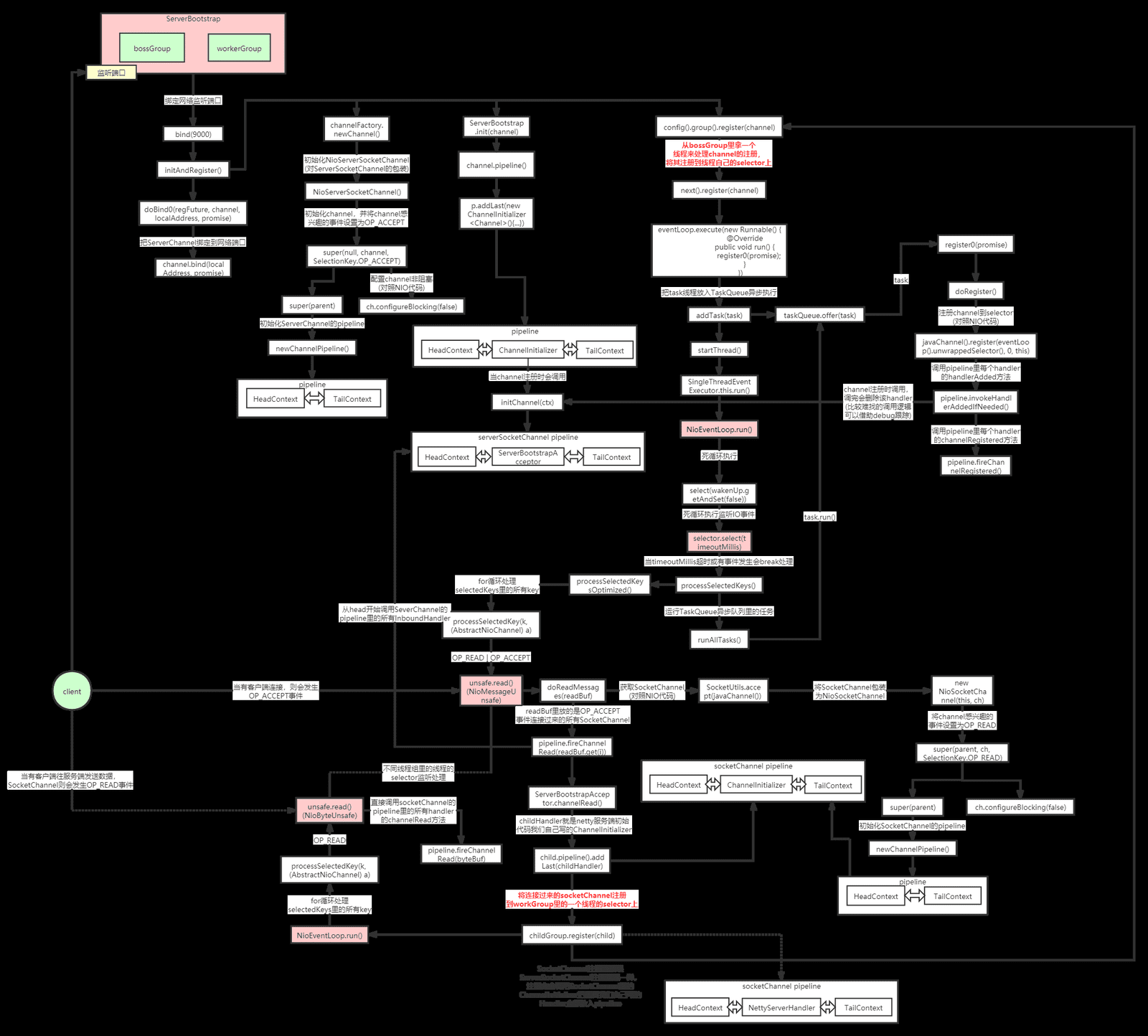
- 抓主线:跟一次
bind → accept → read → pipeline静态调用链,画主流程图 - 画图做笔记:按功能点深入,勿一开始就陷进细节
- 整合:回到总图把 EventLoop、Pipeline、Future 串起来
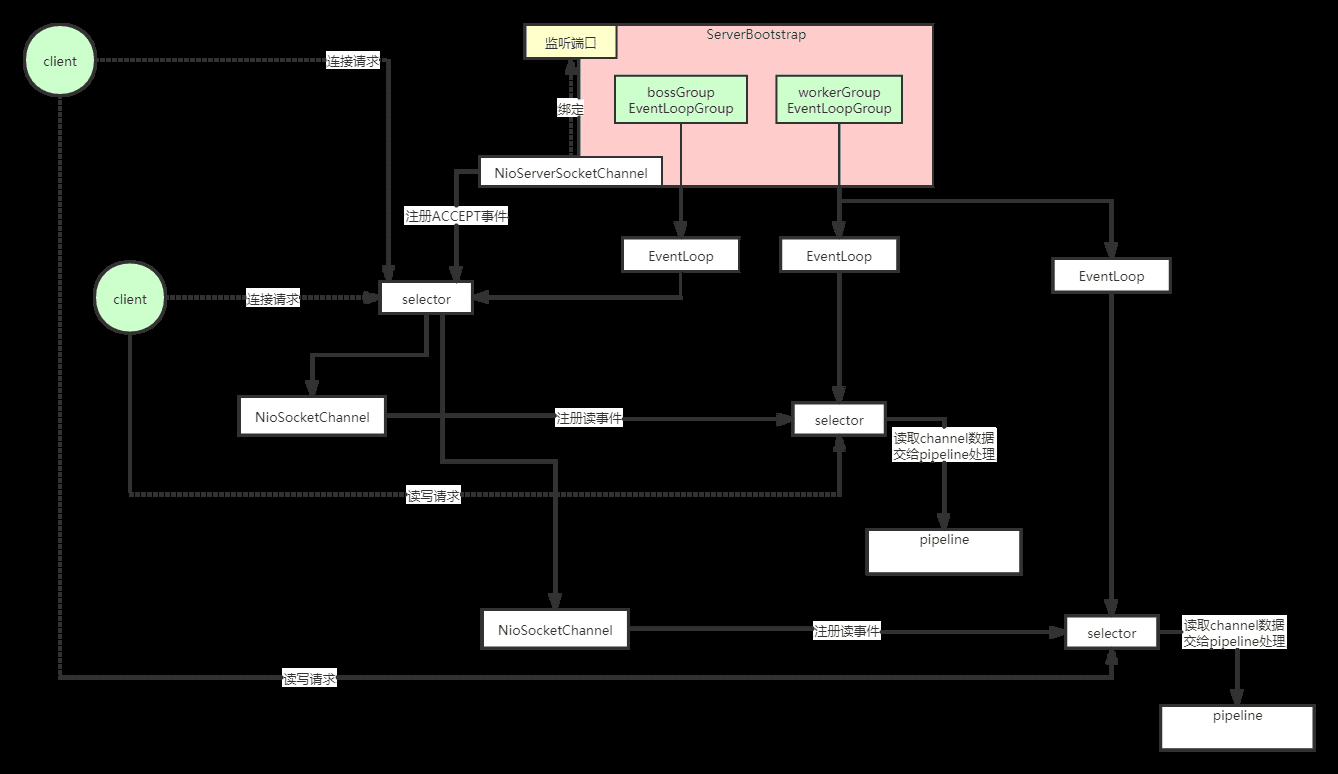
二、Netty 线程模型总览
Netty 采用 Reactor 主从模式(与 Redis 6.0 前单线程处理命令 + 多 IO 线程有相似「串行化」思想):
| 角色 | 组件 | 职责 |
|---|---|---|
| Boss | NioEventLoopGroup(1) 或少量线程 | accept 新连接 |
| Worker | NioEventLoopGroup(N) | 已连接 Channel 的 read/write |
| 业务(可选) | 自定义线程池 | 耗时逻辑从 IO 线程剥离 |
无锁串行化(线程模型层面):同一 Channel 的 I/O 与 Pipeline 事件默认在绑定的一个 EventLoop 线程内顺序执行,避免多线程抢 Channel 锁。用户若不 executor().execute() 切换线程,从 fireChannelRead 到业务 Handler 全在 IO 线程——这是线程模型设计的核心,下一篇再从性能角度展开。
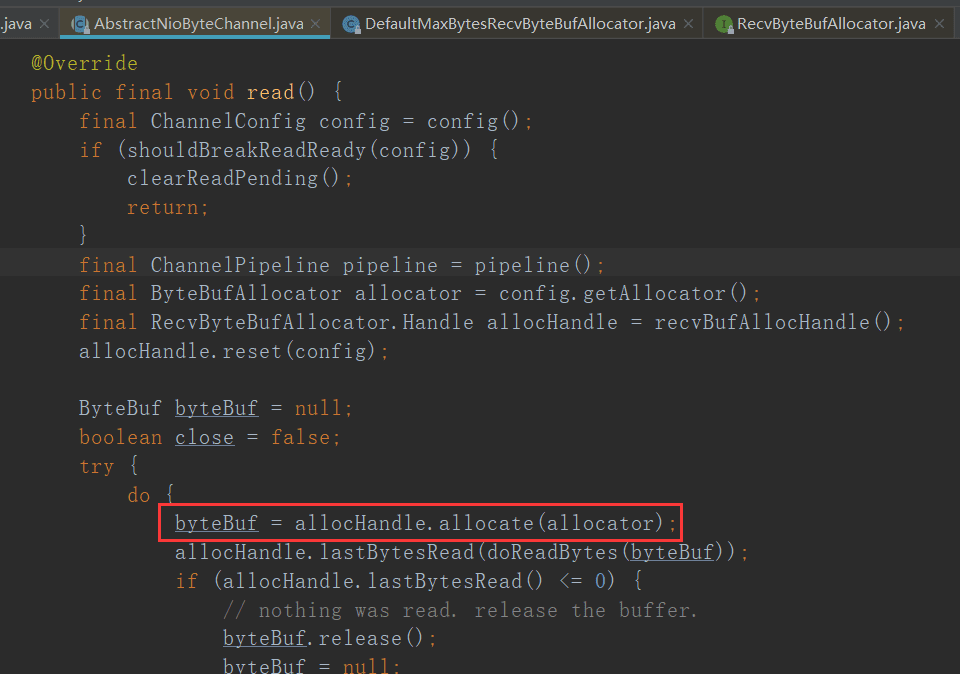
源码阅读时可对照:NioEventLoop.run() → processSelectedKeys() → NioSocketChannel.doReadBytes() → pipeline.fireChannelRead(),整条链路在同一线程内串行完成。
三、从 Bootstrap 到 EventLoop 绑定
3.1 ServerBootstrap 初始化
ServerBootstrap.group(bossGroup, workerGroup) 创建两组 EventLoop。bind(port) 时:
- Boss EventLoop 注册 ServerChannel 的
OP_ACCEPT accept得到 SocketChannel 后,workerGroup.register(childChannel) 分配给某个 worker EventLoop- Child Channel 生命周期内 EventLoop 不变
对应类:MultithreadEventLoopGroup → NioEventLoop → Selector + run() 循环。
Boss 线程只负责 accept,新连接通过 register(childChannel, workerEventLoop) 分配给 worker 池中某个 EventLoop;此后该 Channel 的所有 I/O 与 Pipeline 事件都在这个 worker 线程内串行处理,实现「一 Channel 一线程」的无锁模型。
3.2 NioEventLoop 一次 loop
简化逻辑:
while (!confirmShutdown) {
    select(timeout);
    processSelectedKeys();  // accept/read/write
    runAllTasks();          // 提交到 EventLoop 的异步任务
}- select:epoll_wait(Linux 上 EpollEventLoop 用 JNI epoll)
- 空轮询检测:连续 N 次空 select 则重建 Selector(修复 JDK epoll bug)
- processSelectedKeys:触发 Channel 读,数据沿 Pipeline 传播
四、Channel 与 Pipeline 在线程模型中的位置
- 每个 Channel 唯一对应一个 EventLoop 和一个 ChannelPipeline
- ChannelHandlerContext 绑定 Channel 与 Handler;
ctx.executor()即 Channel 的 EventLoop - Outbound 写:可在 EventLoop 线程
write,也可其他线程eventLoop.execute(() -> ctx.write(msg))切回 IO 线程
线程安全规则:
- 默认 Handler 不要跨 Channel 共享可变状态;需要共享用
@Sharable+ 线程安全结构 - 阻塞操作(DB、RPC 同步调用)应放到业务线程池,否则阻塞整个 EventLoop 上所有 Channel

五、源码阅读推荐路径
按调用链阅读(Netty 4.1.x):
ServerBootstrap.bind→initAndRegister→NioEventLoop.registerNioEventLoop.run→processSelectedKey→NioByteUnsafe.readAbstractNioByteChannel→pipeline.fireChannelReadDefaultChannelPipeline→ 双向链表传播 Inbound/Outbound
并发相关类可对照看:
io.netty.channel.nio.NioEventLoopio.netty.channel.SingleThreadEventLoopio.netty.util.concurrent.SingleThreadEventExecutor
六、Handler 生命周期与线程模型
Handler 回调顺序(便于在正确线程打日志):
handlerAdded → channelRegistered → channelActive
→ channelRead → channelReadComplete
→ channelInactive → channelUnregistered → handlerRemoved
均在 Channel 绑定的 EventLoop 线程(除非自行切换到业务线程池)。




七、与 Dubbo、Redis 的类比
- Redis:单线程处理命令避免锁;Netty 是每 Channel 串行、多 Channel 并行(多 EventLoop)
- Dubbo:Netty Server 同样 boss/worker;业务线程池处理 RPC 反序列化后的调用
理解「谁在该线程做什么」后,再读 Dubbo 的 HeaderExchangeHandler、线程派发策略会轻松很多。
八、与性能设计的衔接(预告)
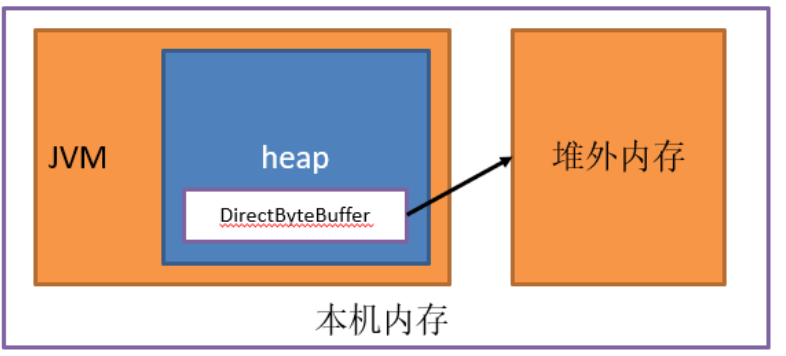
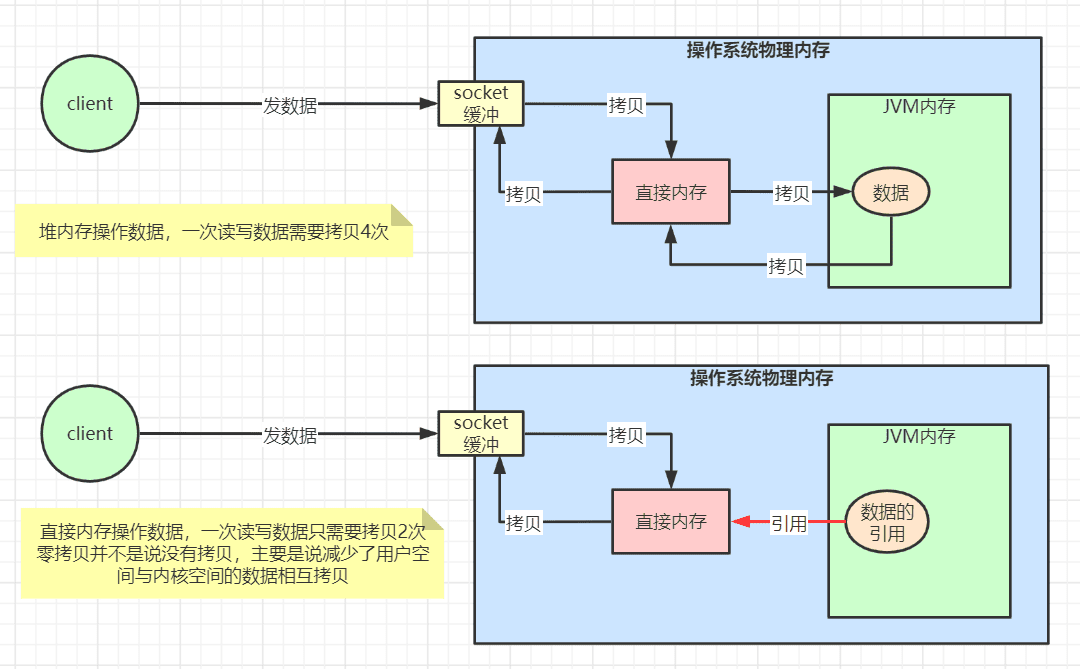
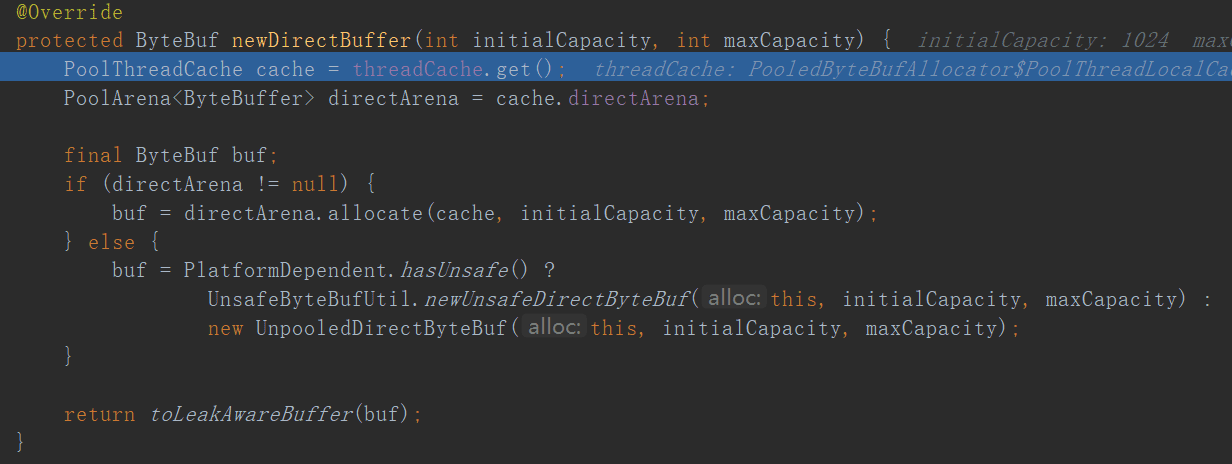
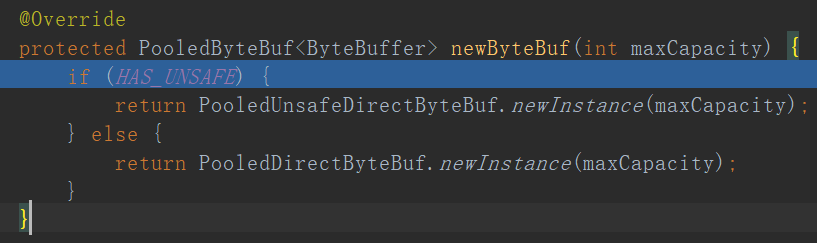
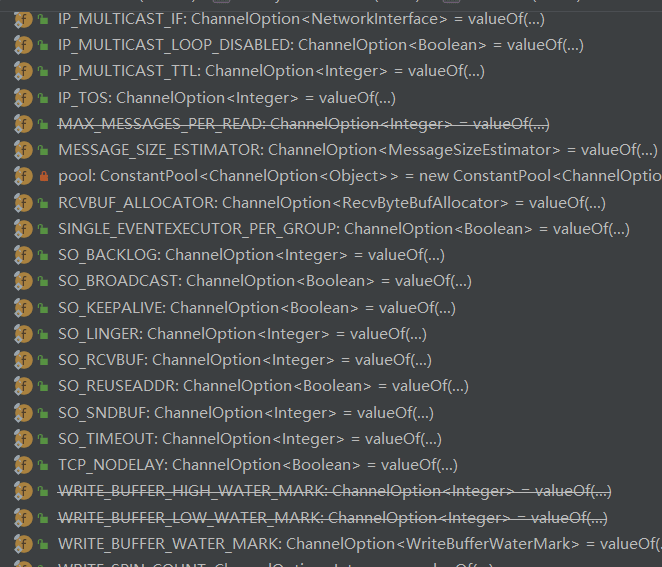
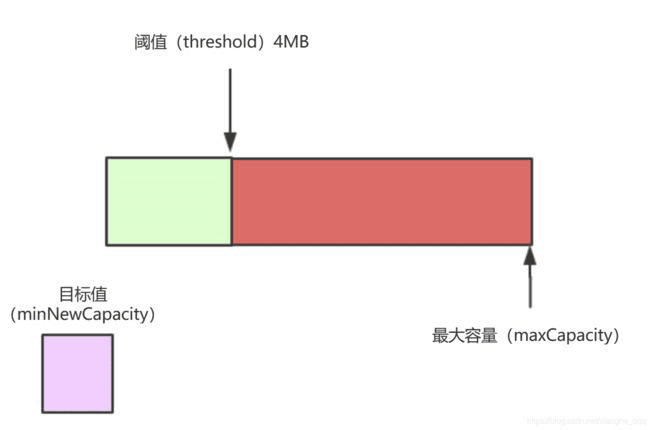
线程模型解决「谁在哪个线程执行」;volatile/CAS、TCP 参数、ByteBuf 池 等则在同样模型下进一步榨取吞吐。下列图解与下一篇呼应,此处仅标注在线程模型中的落点:
- ChannelOption:在 Bootstrap 绑定阶段配置,影响 accept 队列与读写缓冲
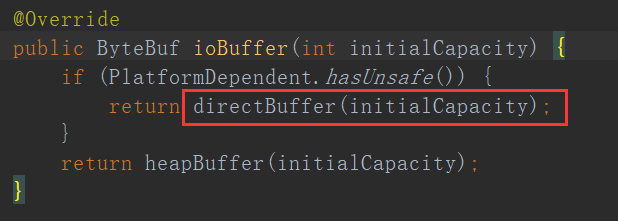
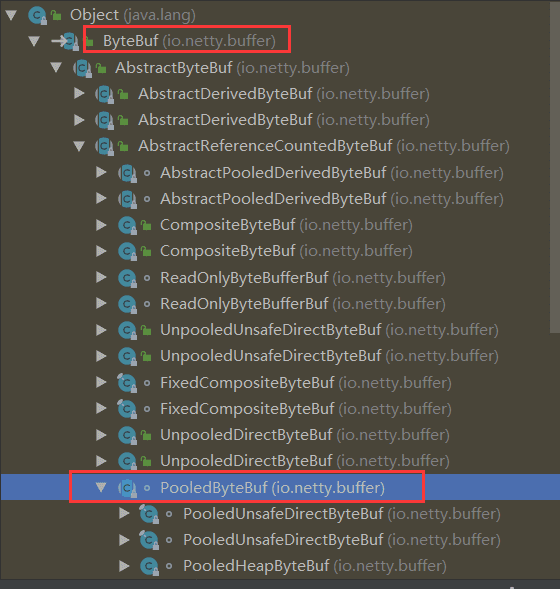
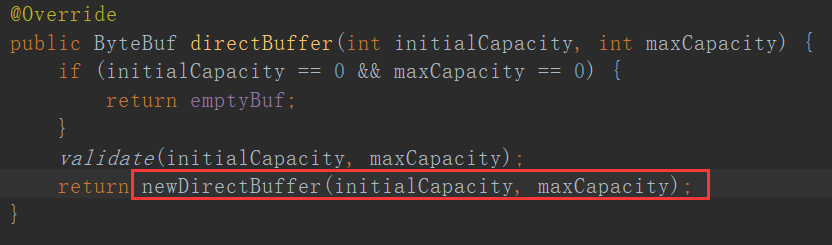
- 内存池:分配发生在 EventLoop 读路径的
ByteBufAllocator - 百万连接:worker EventLoop 数量 + 每连接串行处理,配合 OS 句柄上限
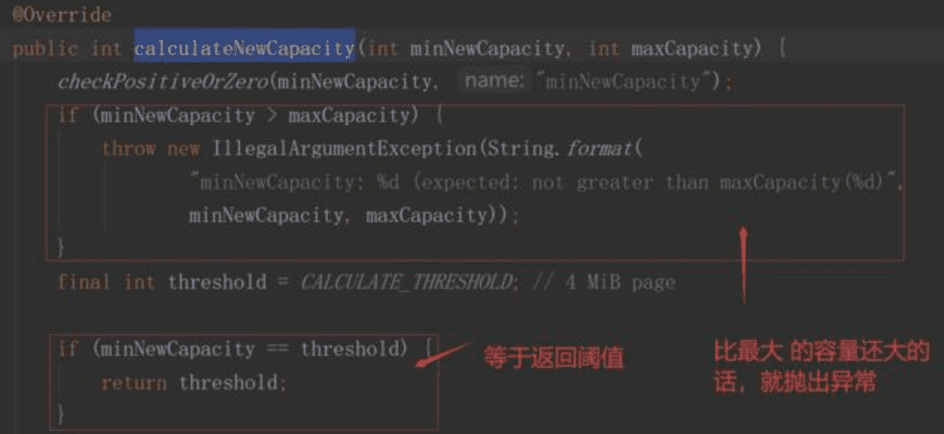
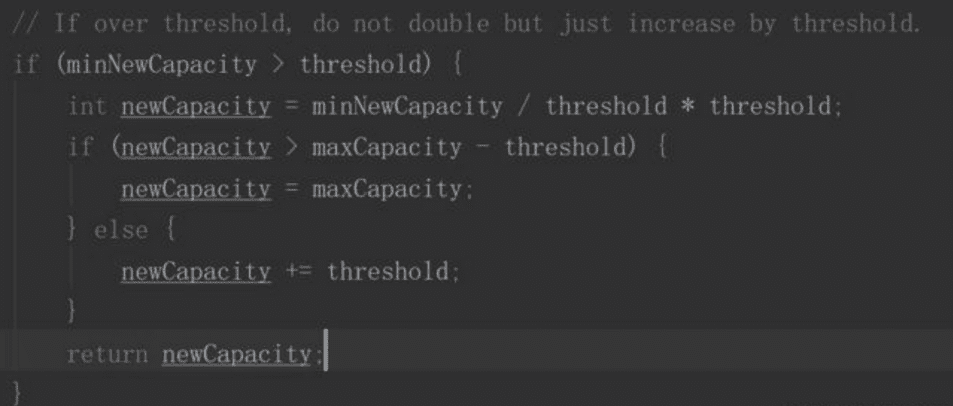
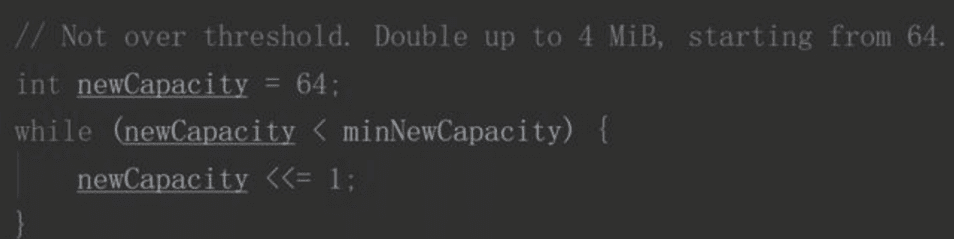
百万连接实践要点:OS 层调大 ulimit -n 与 fs.file-max;Netty 层用主从 Reactor + 合理 worker 线程数;连接层配置 IdleStateHandler 及时清理假死连接;内存层 Direct Buffer + PooledByteBufAllocator;JVM 层选 G1/ZGC 并监控 DirectMemory 使用。
小结
- Netty 线程模型 = 主从 Reactor + 每 Channel 固定 EventLoop 串行处理
- 读源码跟
NioEventLoop.run→ fireChannelRead 主线即可,勿一开始就啃 ByteBuf 池 - 阻塞 Handler = 阻塞整条 EventLoop,生产必须 IO/业务分离
下一篇从架构与性能角度总结 Reactor、零拷贝、ByteBuf 池、TCP 调参与百万连接实践。